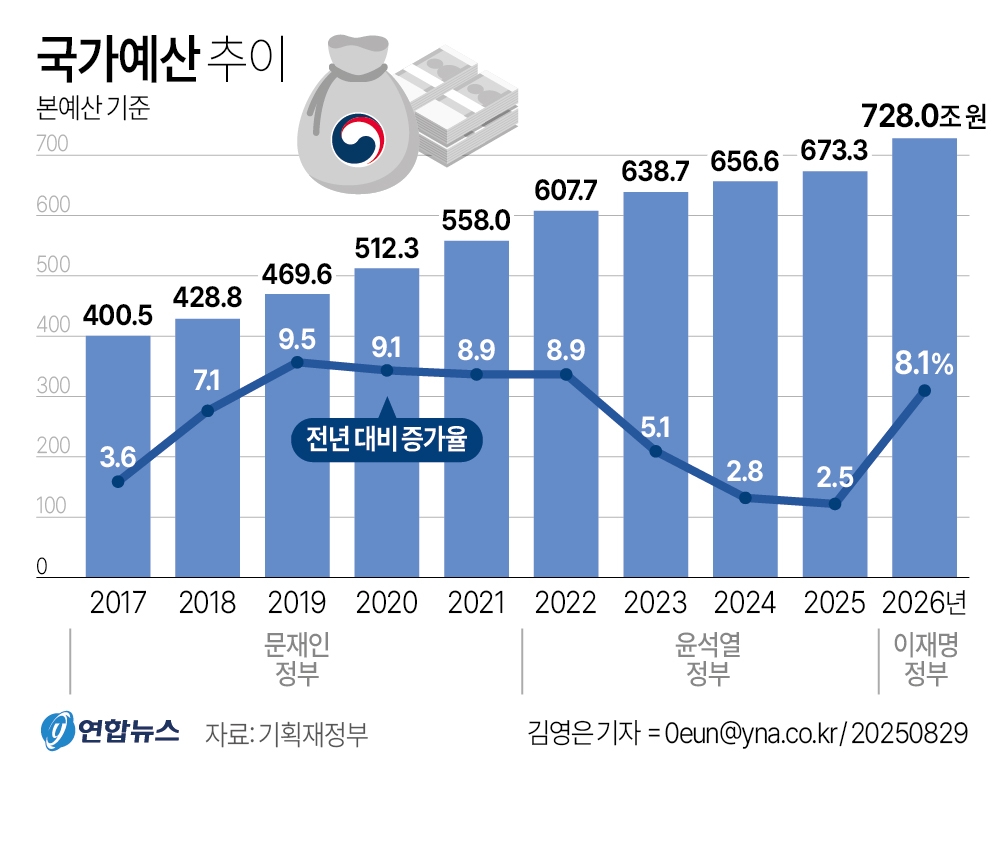
728조 원. 숫자만 보면 “역대 최대”라는 말이 먼저 나오지만, 예산은 크기보다 어떻게 정하고, 어떤 근거로 바꾸고, 누가 책임지는지가 더 중요하다. 국회가 확정한 예산을 두고 SBS가 예산국회 회의록 347개(1만7천여 쪽)를 전수 분석해 보도했는데, 결론은 씁쓸하다. 예산을 따져 묻는 자리가, 예산보다 정치 싸움의 확성기가 되는 순간이 많았다는 것이다.

특히 아픈 대목은, ‘민생’을 앞세워 온 더불어민주당이 정작 그 민생의 설득력을 스스로 깎아먹었다는 점이다. 민생을 말하려면, 예산 테이블에서 민생을 물어야 한다. 그런데 보도에 따르면 예산결산특별위원회 전체회의에서도 예산의 우선순위나 항목별 효과를 파고드는 질문보다, 당시 정국을 달구던 검찰·재판 같은 정치 이슈가 질의의 중심을 차지했다. 야당이 정부를 견제할 수 있다. 문제는 그 견제가 예산 심사라는 자리의 목적을 밀어낼 때다. 그 순간 ‘민생’은 주장이 아니라 구호처럼 들리기 쉽다.
더 답답한 건 예산조정소위원회에서 벌어진 일이다. 소위는 “무엇을 줄이고 무엇을 늘릴지”를 사실상 결정하는 핵심 무대다. 그런데 올해 예산소위의 실질 회의 시간이 22.8시간으로 최근 10년 중 가장 짧았고, “보류”라는 말이 시간당 23.5번이나 등장했다고 한다. 다툼이 치열한 게 문제라기보다, 결론을 뒤로 미루는 방식이 반복된 게 문제다. 보류가 쌓이면 검증은 흐려지고, 막판엔 결국 몇몇 사람의 손으로만 정리가 된다.
그 결과, 공은 기록조차 남지 않는 비공식 협의체, 이른바 ‘소소위’로 넘어갔다. 여기서 민주당의 책임이 특히 무겁다. 민주당은 오랫동안 “밀실 정치”를 비판해 왔고, 절차와 투명성을 중요한 가치로 내세워 왔다. 그 기준을 진심으로 믿었다면, 소소위로 권한이 이동하는 순간 “왜 기록이 없나”, “어떤 근거로 바꾸나”를 먼저 따져야 했다. 그런데 그 과정이 관행처럼 굴러가도록 두는 동안, 민주당이 내세운 ‘민생’은 쉽게 간판만 남는 말이 된다. 민생은 결과로만 증명되는 게 아니라, 결정을 만들어내는 과정에서도 증명돼야 한다.
물론 책임이 민주당에만 있는 건 아니다. 국민의힘도 예산 심사의 장이 정치 공방으로 흐르는 구조에서 자유롭지 않다. 보류가 쌓이고 비공개 협상이 커지는 흐름은 여야가 함께 만든 측면이 있다. 다만 민주당은 “민생 정당”을 자임해 온 만큼, 적어도 예산 심사에서만큼은 질문의 방향이 달라야 했다. 검찰 이슈로 정부를 몰아붙이는 것이 곧바로 민생을 지키는 일로 이어지진 않는다. 국민이 체감하는 민생은 물가, 주거, 돌봄, 일자리 같은 구체적인 숫자와 제도에서 갈린다. 야당이 해야 할 일은 헤드라인을 쫓기보다, 예산 항목을 끝까지 파고들며 “이 돈이 왜 여기로 가야 하는지”를 국민이 납득할 만큼 설명하는 것이다.
결국 728조냐 727.9조냐 같은 숫자 싸움이 핵심이 아니다. 진짜 핵심은 “누가 무엇을 보류했고, 어떤 이유로 미뤘으며, 그 보류가 왜 기록 없는 방으로 옮겨 갔는가”다. 다음 예산국회가 최소한 달라지려면 세 가지는 필요하다. 첫째, 예산 변경 사유를 항목별로 더 공개하기. 둘째, 보류 안건의 처리 경로를 기록으로 남기기. 셋째, 성과가 낮은 사업은 자동으로 조정되는 원칙 세우기. 민주당이 다시 민생을 말하고 싶다면, 구호를 키우기 전에 질문부터 바꿔야 한다. 민생은 말이 아니라, 심사 과정에서 드러나는 태도에서 시작한다.
English
KRW 728 trillion. It’s the biggest budget the National Assembly has ever approved, but size alone doesn’t equal responsibility. What matters is how decisions are made—who changed what, on what grounds, and whether the public can follow the logic. An SBS analysis of hundreds of budget-meeting transcripts paints an uncomfortable picture: too often, budget hearings sounded less like scrutiny of public spending and more like an extension of partisan warfare.
The most damaging part is that the Democratic Party—so often branded as the party of “people’s livelihoods”—ended up weakening that very message. If you claim to stand for livelihoods, you have to ask livelihood questions at the budget table: priorities, trade-offs, and real-world impact. Yet the reporting suggests that even in plenary sessions, questioning drifted toward prosecution and trial-related political flashpoints rather than the architecture of the budget itself. Opposition oversight is legitimate; the problem is when political combat pushes budget scrutiny out of the room. At that point, “livelihood” starts to sound like a slogan.
The budget subcommittee is where the real decisions—what to cut and what to add—should come into focus. But substantive meeting time was reportedly the shortest in a decade, while “on hold” was repeated with startling frequency. Debate isn’t the issue. Avoiding conclusions is. When deferrals pile up, verification fades, and decisions inevitably slide toward last-minute bargaining by a few power players.
That’s how the ball ends up in an informal leadership “mini-committee” (sosowi), where records are not properly kept. Here, the Democratic Party’s burden is heavier. The party has long argued for transparency and procedural legitimacy. If those principles are real, the moment power shifts into an unrecorded forum should be exactly when the party draws a line—demanding documentation, reasons, and accountability. Letting the process normalize makes “livelihood” branding look like an empty sign. Livelihood isn’t proven only by outcomes; it’s also proven by the integrity of the process.
To be clear, the ruling party is not off the hook. The People Power Party also benefits when hearings turn political and when deferrals expand the space for backroom deals. This is a structure both sides have helped sustain. Still, a party that claims the “livelihood” mantle should set a higher bar—starting with the direction and quality of its questions. Prosecution-related controversies may be politically potent, but they do not automatically translate into protecting people’s daily lives. Livelihood is decided by inflation, housing, care, and jobs—by concrete numbers and institutions.
So the real fight isn’t whether the final figure reads 728.0 or 727.9 trillion. The real question is: who deferred what, why, and how those deferrals migrated into rooms without records. If Korea’s politics wants to keep saying “livelihood” and “growth,” the next budget season needs at least three reforms: itemized disclosure of major budget changes, mandatory tracking of deferred items and their outcomes, and automatic adjustment rules for underperforming programs. And if the Democratic Party wants to reclaim the livelihood banner, it should change its questions before amplifying its slogans. Livelihood begins not with words, but with how scrutiny is done.
작성자 소개